Swedish Meatballs (Ready in 40 Minutes)
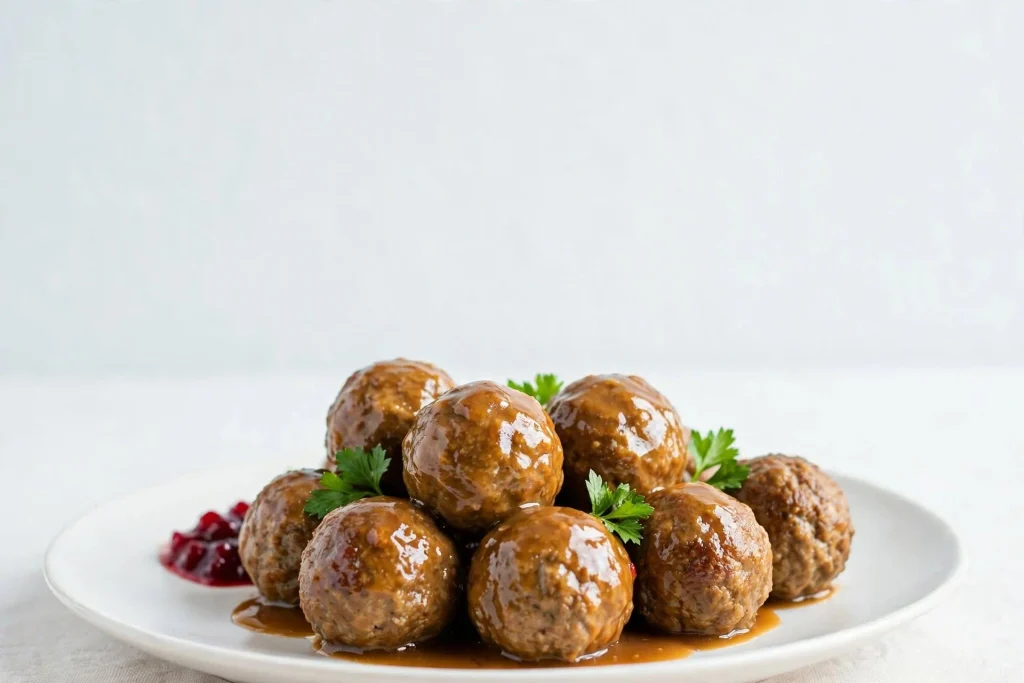
I started making Swedish meatballs at home after getting tired of the frozen bag version, the ones that turn rubbery the second the gravy cools. The fix turned out to be simple: soak your breadcrumbs in milk before they ever touch the meat. That one step, called a panade, is the difference between a meatball you have to chew through and one that falls apart on the fork.
This recipe uses ground beef and ground turkey instead of the classic beef mix, so it stays halal without losing the richness. The gravy comes together in the same skillet you seared the meatballs in, using the browned bits stuck to the bottom for flavor. From raw meat to a full plate, you’re looking at about 40 minutes, and most of that is hands-off simmering. If you’ve had a bad batch before, dry, bland, or swimming in a gravy that tastes like flour and nothing else, this version fixes all three problems.
Why You’ll Love This Recipe
- Tender every time. The milk-soaked breadcrumb panade keeps the meatballs moist even if you sear them a minute too long.
- One pan, less cleanup. The meatballs sear and the gravy simmers in the same skillet, so you’re not scrubbing three pots after dinner.
- Ready in 40 minutes. No marinating, no resting the meat overnight. Mix, form, sear, simmer.
- Freezer-friendly. Make a double batch and freeze half for a night when cooking feels like too much.
- Kid-approved. The allspice is warm, not sharp, so even picky eaters usually go back for seconds.
- Halal-friendly. Built with beef and turkey, no pork products anywhere in the recipe or its substitutions.
Quick Information
- Prep Time: 20 minutes
- Cook Time: 20 minutes
- Total Time: 40 minutes
- Servings: 4 (about 24 meatballs)
- Difficulty: Easy
- Calories: 520 per serving
- Important Tool: A cookie scoop keeps the meatballs a uniform size, which means they finish cooking at the same time.
- Best For: Weeknight dinner, or a make-ahead freezer meal for busy weeks.
Nutrition Information
- Calories: 520
- Protein: 32g
- Carbohydrates: 18g
- Fat: 34g
- Fiber: 1g
- Sugar: 4g
- Sodium: 680mg
- Serving Size: 6 meatballs with about ¾ cup gravy
- Servings Per Recipe: 4
The protein count comes mostly from the beef and turkey blend, while the cream and butter in the gravy account for most of the fat. These numbers are estimates based on standard ingredient values and will shift depending on the exact brands and cuts you use. This isn’t a substitute for advice from a dietitian or doctor, especially if you’re tracking intake for a medical reason.
Ingredients
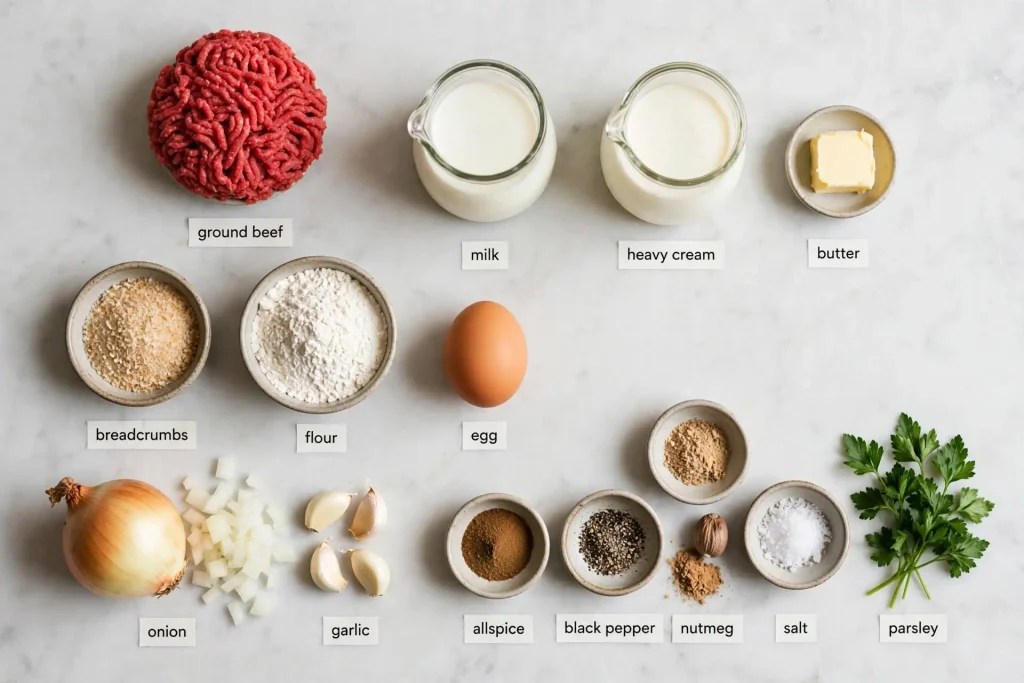
For the meatballs:
- 1 lb (450g) ground beef, 80/20
- ½ lb (225g) ground turkey
- ½ cup panko breadcrumbs
- ⅓ cup whole milk
- 1 large egg
- ½ small yellow onion, grated (not chopped — grating releases moisture the meat needs)
- 2 garlic cloves, minced
- 1 tsp ground allspice
- ¼ tsp ground nutmeg
- 1 tsp salt
- ½ tsp black pepper
- 2 tbsp butter, for searing
For the gravy:
- 3 tbsp butter
- 3 tbsp all-purpose flour
- 2½ cups beef broth
- ¾ cup heavy cream
- 1 tbsp soy sauce
- 1 tsp Dijon mustard
- Salt and black pepper, to taste
- Chopped fresh parsley, for garnish
Allspice is the ingredient that actually makes this taste Swedish rather than just Italian-adjacent. If you only have whole allspice berries, grind about 8 in a spice grinder in place of the teaspoon of ground. Ground turkey can be swapped for all beef (use 1½ lb total) if that’s what’s in your freezer, though the mix of the two keeps the fat content balanced without drying out.
Kitchen Tip: Grate the onion straight into the bowl with the meat instead of dicing it. Diced onion stays chunky and raw-tasting inside the meatball; grated onion melts into the mixture and adds moisture without anyone noticing it’s there.
Equipment Needed
- Large skillet or sauté pan (10 to 12 inches), for searing and making the gravy in the same pan
- Box grater, for the onion
- Cookie scoop (1½ tablespoon size), for uniform meatballs that cook evenly
- Instant-read meat thermometer, to confirm doneness without cutting one open
- Whisk, for a lump-free gravy
Preparation
Combine the panko and milk in a small bowl first and let it sit for 5 minutes, stirring once, until the crumbs have absorbed all the liquid and turned into a thick paste. Grate the onion and mince the garlic while that sits. Have a plate lined with paper towels ready for the seared meatballs, and set your skillet on the stove but don’t heat it yet. Measure out the gravy ingredients (broth, cream, flour) before you start searing, so you’re not digging through the pantry while butter burns in the pan.
Step by Step Instructions
- Build the meat mixture. In a large bowl, add the ground beef, ground turkey, soaked panko paste, egg, grated onion, garlic, allspice, nutmeg, salt, and pepper. Mix with your hands until just combined, about 15 seconds. Stop as soon as you no longer see streaks of egg. Overworking the mixture at this stage is what makes meatballs bounce like rubber instead of giving way when you bite in.
- Form the meatballs. Using the cookie scoop, portion the mixture into about 24 balls, rolling each gently between your palms. Wetting your hands with cold water every few meatballs stops the mixture from sticking to your fingers.
- Sear in batches. Melt 2 tbsp butter in the skillet over medium heat. Working in two batches so the pan isn’t crowded, sear the meatballs for 7 to 8 minutes, turning every couple minutes, until deeply browned on at least three sides. They won’t be cooked through yet, and that’s fine. Transfer to the paper-towel-lined plate.
- Build the roux. In the same skillet, with all those browned bits still stuck to the bottom, melt the remaining 3 tbsp butter over medium heat. Whisk in the flour and cook for about 90 seconds, stirring constantly, until it turns a shade darker than raw flour and smells faintly toasted, almost like popcorn.
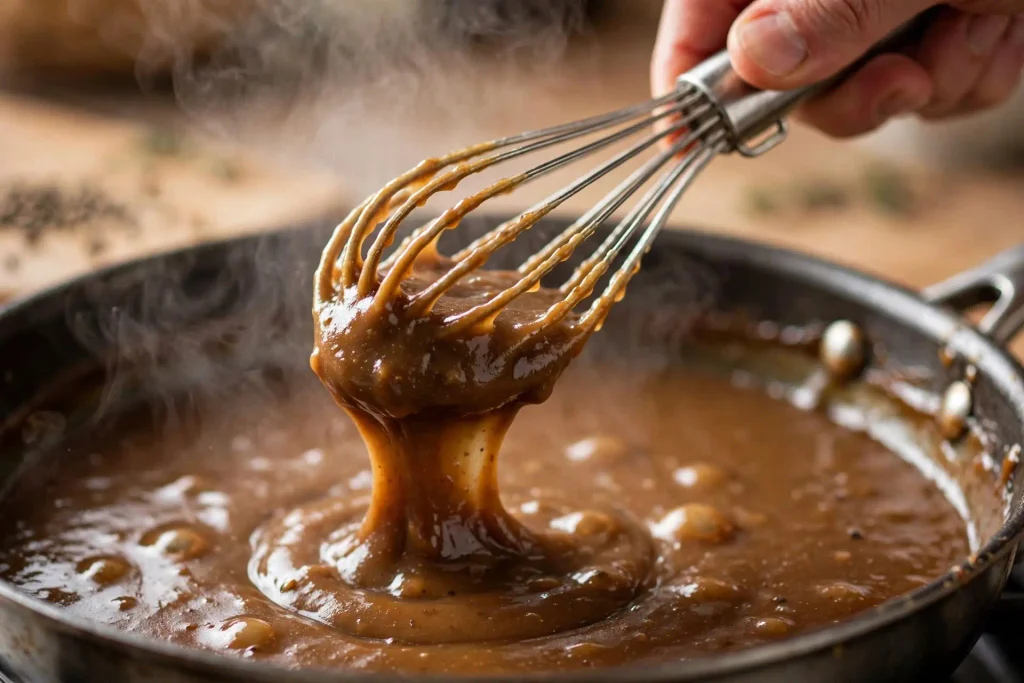
- Add the broth gradually. Pour in the beef broth about half a cup at a time, whisking after each addition until smooth before adding more. Dumping it all in at once is how you end up with lumps that never fully disappear. Bring to a gentle simmer and cook for 4 to 5 minutes, until the gravy coats the back of a spoon and holds a line when you drag a finger through it.
- Finish the gravy and return the meatballs. Stir in the heavy cream, soy sauce, and Dijon mustard. Nestle the seared meatballs back into the skillet along with any juices that collected on the plate. Simmer uncovered for 8 to 10 minutes, spooning gravy over the meatballs once or twice, until they reach an internal temperature of 165°F on a meat thermometer.
- Season and serve. Taste the gravy and adjust with salt and pepper. Scatter chopped parsley over the top and serve directly from the skillet while it’s still bubbling gently at the edges.
Chef’s Notes:
- Check doneness with a thermometer inserted into the center of the largest meatball. Because this recipe uses ground turkey, it needs to hit 165°F, which is higher than the 160°F you’d use for an all-beef version.
- If the gravy tightens up too much while the meatballs simmer, whisk in a splash of broth, a tablespoon at a time, off the heat.
- The fond (the browned bits left in the pan after searing) is where most of the gravy’s flavor comes from. Don’t rinse the skillet between searing and making the roux.
Expert Tips & Tricks
- Make-ahead tip: Form the raw meatballs and refrigerate them, covered, up to a day before you plan to cook. The panade actually firms up a bit overnight, which helps them hold their shape in the pan.
- Storage tip: Cool the meatballs and gravy together before transferring to a container. Storing them separately means the meatballs dry out faster in the fridge.
- Technique tip: Sear on medium, not high. High heat browns the outside before the inside has a chance to cook evenly, and you’ll end up finishing raw centers in the gravy for longer than the recipe calls for.
- Texture tip: Use 80/20 ground beef, not a leaner blend. The extra fat renders out during searing and keeps the meatballs from turning tough.
- Time-saving tip: Grate the onion directly over the mixing bowl so you skip transferring it from a cutting board, and mince the garlic while the breadcrumbs soak.
My mistake to avoid: The first time I made these, I poured the entire 2½ cups of broth into the roux at once because I was rushing. The gravy turned lumpy and never fully smoothed out, even after ten minutes of whisking. Add it slowly.
Common Mistakes & Troubleshooting
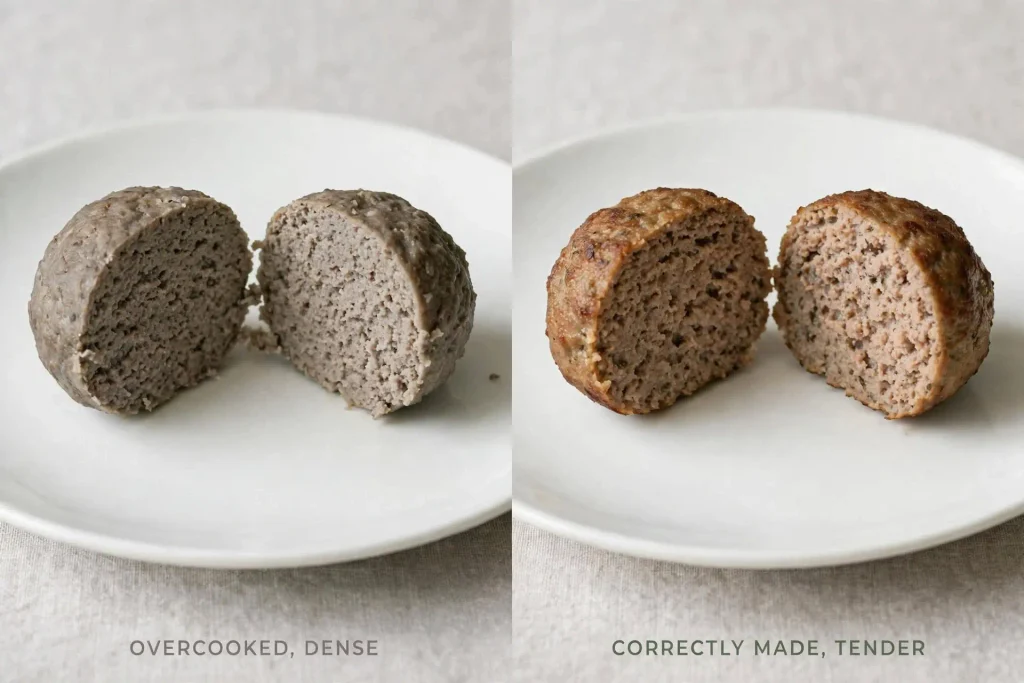
- Dense, rubbery meatballs. This almost always comes from overmixing the meat by hand or with a stand mixer attachment. Mix just until the ingredients are combined and you can’t see raw egg anymore, then stop.
- Dry, crumbly meatballs. Skipping the panade is the usual cause. Breadcrumbs added dry, without soaking in milk first, pull moisture out of the meat instead of holding it in.
- Pale, unevenly browned exterior. Overcrowding the skillet drops the pan temperature and the meatballs steam instead of sear. Cook them in two batches with space between each one.
- Lumpy or gluey gravy. Adding the broth too quickly, all at once, is the culprit almost every time. I learned this one the hard way on my third attempt at this recipe, whisking furiously while the roux seized into little flour clumps. Add liquid in stages.
- Gravy that never thickens. Usually means the roux didn’t cook long enough before the broth went in, or the simmer wasn’t given enough time. Give it the full 4 to 5 minutes at a gentle simmer before judging the consistency.
- Undercooked centers. Ground turkey needs to reach 165°F, higher than plain ground beef. Guessing by color is unreliable with a beef-turkey blend since the color inside can look done before it actually is. Use a thermometer.
Storage Instructions
- Room temperature: Don’t leave meatballs and gravy out longer than 2 hours.
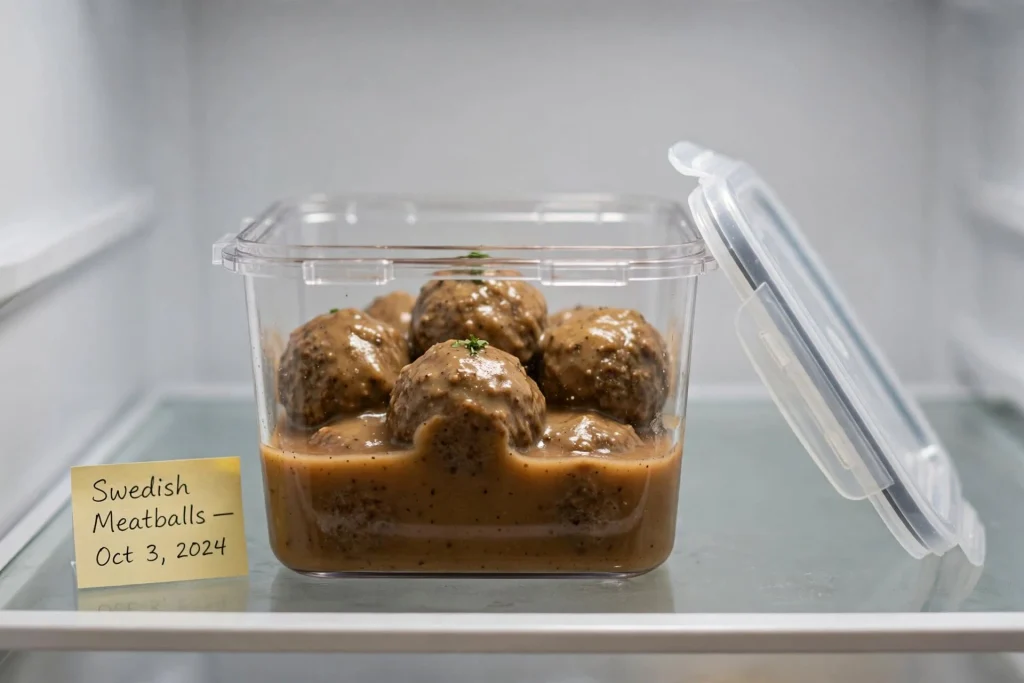
- Refrigerator: Store in an airtight container for up to 4 days. Keep the meatballs submerged in gravy so they don’t dry out on top.
- Freezer: Freeze meatballs and gravy together in a freezer-safe container for up to 3 months. The cream-based gravy can separate slightly when thawed, but a good whisk over low heat brings it back together.
- Reheating: Warm gently on the stovetop over low heat, stirring occasionally, adding a splash of broth if the gravy has thickened too much. For the microwave, cover and heat in 60-second bursts, stirring between each.
- Make-ahead: Cook the full recipe up to 2 days ahead. The flavor actually improves overnight as the allspice settles into the gravy.
- Personal tip: I portion leftovers into single-serving containers before refrigerating, so lunch the next day is just a two-minute reheat instead of dividing up a big pot of cold gravy.
Variations & Substitutions
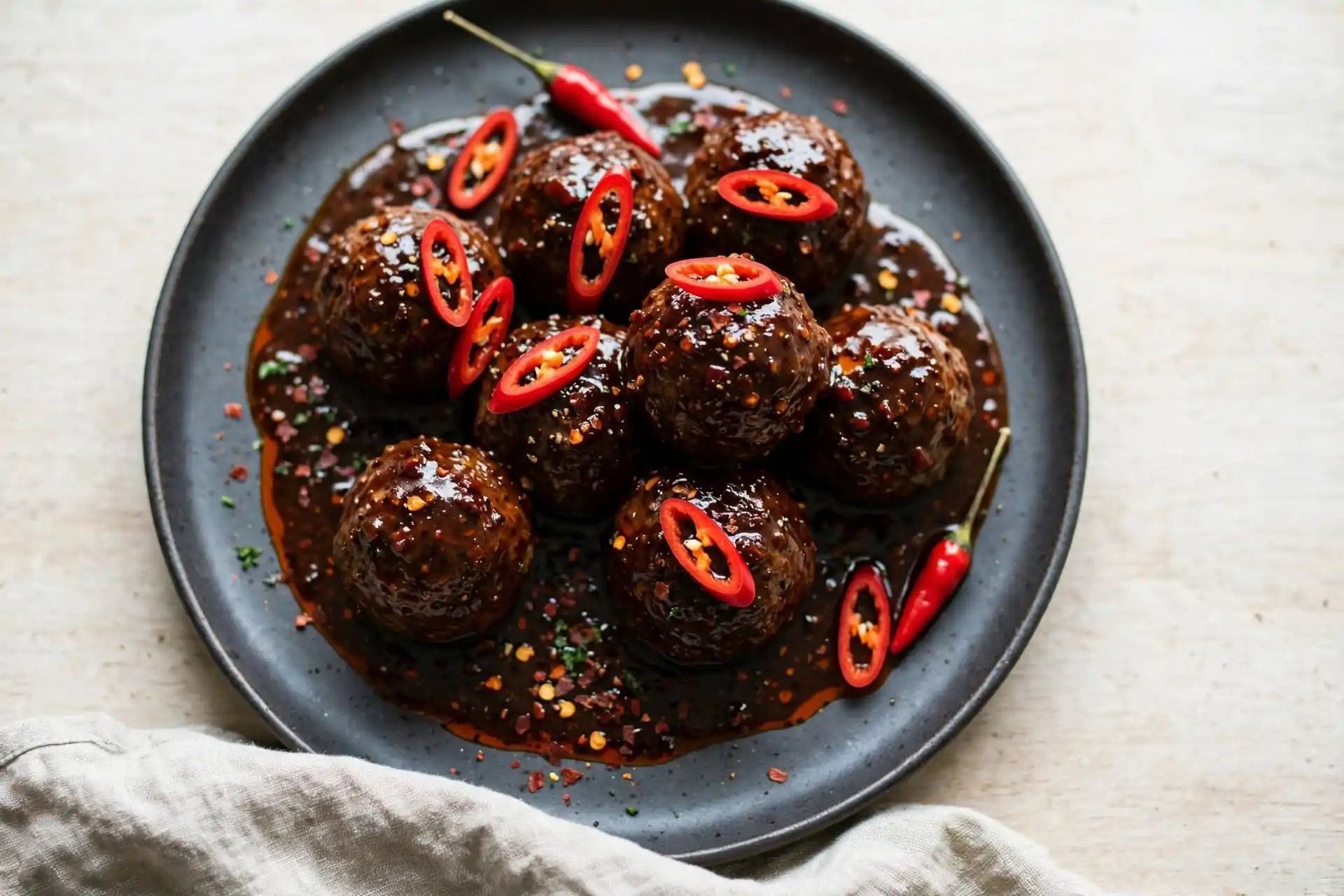
- Spicy version: Add ¼ tsp cayenne pepper to the meat mixture and a dash of hot sauce to the finished gravy.
- Mild, kid-friendly version: Cut the black pepper in half and use ½ tsp allspice instead of a full teaspoon.
- Vegetarian version: Swap the meat for a plant-based ground meat substitute and use vegetable broth in place of beef broth. The panade step still applies and still helps with texture.
- Gluten-free version: Use gluten-free breadcrumbs in the meatballs, and replace the flour roux with a cornstarch slurry (1 tbsp cornstarch mixed with 2 tbsp cold water, whisked in near the end).
- Other substitutions: No heavy cream on hand? Half-and-half works, though the gravy will be slightly thinner. All-beef instead of the beef-turkey blend works too; just lower the target internal temperature to 160°F.
Serving Suggestions
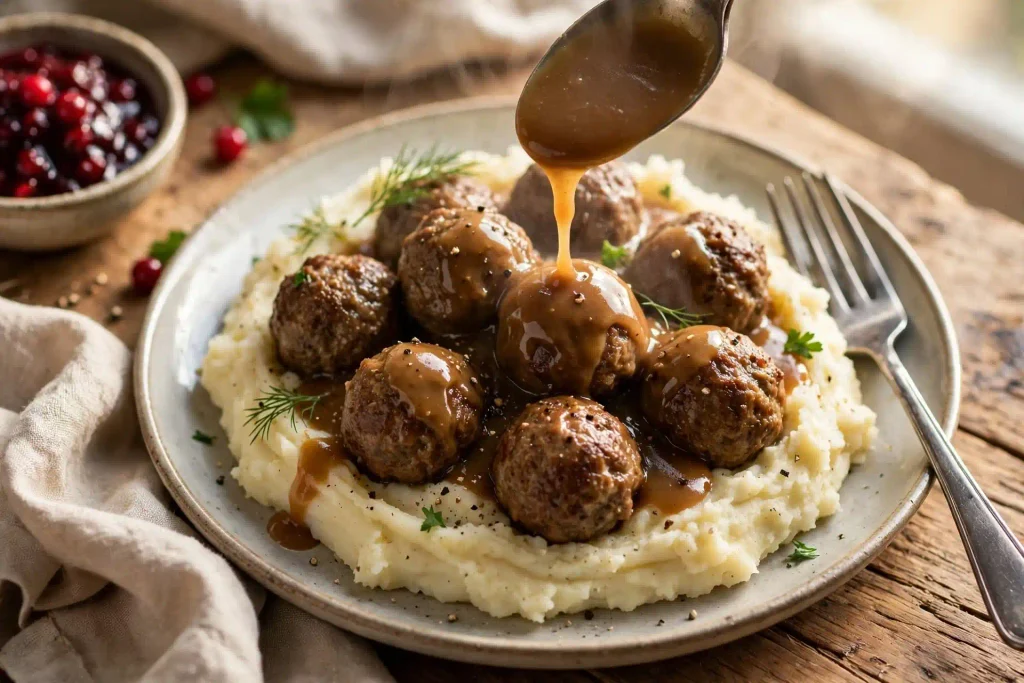
Swedish meatballs are traditionally served over mashed potatoes, and for good reason: the potatoes soak up the gravy instead of letting it pool on the plate. Try them with my for the classic combination. Buttered egg noodles work as a faster alternative on a weeknight when boiling and mashing potatoes feels like one step too many.
A small spoonful of lingonberry jam on the side cuts through the richness of the cream gravy with a tart edge. My takes about 20 minutes if you can find fresh or frozen lingonberries, though a good jarred version works fine too. A quick on the side adds crunch and acidity that balances out the richness of the whole plate. For drinks, sparkling water with a squeeze of lime or plain iced tea suits the meal without competing with the allspice in the gravy.
Frequently Asked Questions
Can I make Swedish meatballs ahead of time?
Yes. Form the raw meatballs up to a day ahead and keep them covered in the fridge, or cook the entire dish up to 2 days ahead and reheat gently on the stovetop. I actually prefer making this a day early. The gravy thickens slightly overnight and the allspice flavor comes through more once it’s had time to sit.
Why did my Swedish meatballs turn out dense instead of tender?
Overmixing the meat is almost always the cause. Mix by hand just until the ingredients come together, roughly 15 seconds, and stop as soon as you don’t see streaks of raw egg. Skipping the milk-soaked breadcrumb panade also leads to a tighter, denser texture since there’s nothing holding moisture inside the meat as it cooks.
Can I use all ground beef instead of the beef-turkey blend?
Yes, use 1½ pounds of ground beef in place of the beef and turkey combination. The texture comes out slightly richer, and you can lower the target internal temperature to 160°F instead of 165°F, since you’re no longer working with poultry.
How do I know when Swedish meatballs are fully done?
Insert an instant-read thermometer into the center of the largest meatball. Because this recipe includes ground turkey, it needs to reach 165°F. Color alone isn’t a reliable indicator with a beef-turkey blend, since the inside can look cooked before it’s actually safe to eat.
Is the gravy in Swedish meatballs the same as regular brown gravy?
Not quite. Regular brown gravy usually relies on pan drippings and stock alone. Swedish meatball gravy adds heavy cream and a touch of mustard, which gives it a lighter color and a rounder, slightly tangy flavor that plain brown gravy doesn’t have.
Conclusion
Swedish meatballs earned their spot in my regular dinner rotation the day I figured out the panade trick, because it solved the one problem that used to keep me from making them twice in a row: dry meat. Between the grated onion, the allspice, and a gravy built from the fond left in the pan, this version tastes like it took a lot more effort than the 40 minutes it actually asks for. Keep a container of the leftovers in the fridge, because the gravy only gets better as the flavors settle overnight. Pin this Swedish meatballs recipe now so it’s easy to find the next time you need a dinner that comes together fast but still feels like something you made on purpose.
Swedish Meatballs
Ingredients
Method
- Soak panko in milk for 5 minutes. Mix with beef, turkey, egg, onion, garlic, allspice, nutmeg, salt, and pepper until just combined.
- Form into 24 meatballs.
- Sear in butter in batches, 7 to 8 minutes per batch, until browned. Set aside.
- Make a roux with butter and flour in the same skillet, cooking 90 seconds.
- Whisk in broth gradually, simmer 4 to 5 minutes until thickened.
- Stir in cream, soy sauce, and Dijon. Return meatballs, simmer 8 to 10 minutes until they reach 165°F.
- Garnish with parsley and serve.